When financial pressure builds to the breaking point, bankruptcy can offer something invaluable: a true fresh start. But for many Floridians considering bankruptcy, the biggest question isn’t whether to file—it’s which type to file: Chapter 7 or Chapter 13. Both offer relief from overwhelming debt, but they serve very different needs. Understanding how each option works in Florida is the first step in reclaiming control of your financial future.
If you’re struggling with mounting credit card bills, medical debt, or foreclosure threats, and you’re unsure whether you qualify for Chapter 7 or would benefit more from Chapter 13, this guide will clarify the key differences, benefits, and risks of each approach.
Understanding Chapter 7 Bankruptcy in Florida
Chapter 7 bankruptcy is often referred to as “liquidation bankruptcy.” It’s designed for individuals who simply cannot repay their debts. When you file for Chapter 7 in Florida, a court-appointed trustee may liquidate (sell) certain non-exempt assets to pay creditors. The good news is that Florida has some of the most generous exemption laws in the country, including the homestead exemption, which may allow you to keep your primary residence depending on your circumstances.
To qualify for Chapter 7 in Florida, you must pass a “means test.” This test compares your income to the median household income in the state. If your income is below the median, you automatically qualify. If it’s above, the test becomes more complex, considering your expenses, debts, and other financial obligations. Many people mistakenly believe they won’t qualify, but a skilled bankruptcy attorney in Florida can help accurately assess your eligibility.
Chapter 7 offers a faster route to debt relief—most cases are completed within three to five months. Once discharged, most unsecured debts (such as credit cards, medical bills, and personal loans) are eliminated. However, it doesn’t eliminate obligations like student loans, most taxes, or child support.
One important consideration for Florida homeowners: while the state’s homestead exemption is strong, you must have owned your home for at least 1,215 days (about three years and four months) to claim unlimited protection. Otherwise, federal exemption caps may apply.
Understanding Chapter 13 Bankruptcy in Florida
If Chapter 7 is a sprint, Chapter 13 is a marathon—but one that may offer more long-term protection and flexibility. Chapter 13 is often called “reorganization bankruptcy.” Rather than liquidating assets, it allows you to restructure your debts and repay some or all of them over a three- to five-year period under court supervision.
This option is ideal for individuals who have a regular income but have fallen behind on mortgage payments, car loans, or other secured debts. With Chapter 13, you can stop foreclosure proceedings and keep your home—so long as you continue to make agreed-upon payments through your court-approved plan.
Another advantage of Chapter 13 is that it can help you catch up on non-dischargeable debts like alimony, child support, and certain taxes. It also protects any non-exempt assets you would have had to surrender in a Chapter 7 case. For those with high-value property, this can be a strategic way to manage debt while retaining control of your assets.
Because Chapter 13 requires you to commit to a multi-year repayment plan, you must demonstrate that you have enough income to support it. That means careful budgeting and full transparency about your finances. Your plan will be based on what you can afford, not necessarily what you owe.
Chapter 7 vs. Chapter 13 in Florida: How to Choose
The choice between Chapter 7 and Chapter 13 depends on your unique financial situation. For Floridians with limited income, few assets, and mostly unsecured debts, Chapter 7 may offer the quickest and cleanest solution. If your goal is to eliminate as much debt as possible and move forward fast, Chapter 7 might be your best path to a true fresh start.
On the other hand, if you have steady income and are facing foreclosure, repossession, or unpaid taxes, Chapter 13 could provide the structured breathing room you need. It’s especially helpful if you want to keep your home but have fallen behind on payments, or if you don’t qualify for Chapter 7 under the means test.
It’s also worth noting that filing Chapter 13 may be less damaging to your credit in the long term than Chapter 7. While both filings will appear on your credit report, lenders may view a Chapter 13 as a responsible attempt to repay debt, especially if you complete your plan successfully.
When to File Bankruptcy in Florida
Timing is everything. You don’t have to be completely destitute to consider bankruptcy. In fact, the earlier you speak with a bankruptcy attorney in Florida, the more options you may have. Filing sooner rather than later can stop wage garnishments, halt lawsuits, and prevent repossessions or foreclosures.
Some signs that it may be time to consider bankruptcy include using credit cards to pay for basic necessities, falling behind on mortgage or rent, receiving constant calls from debt collectors, or dipping into retirement savings just to survive.
If you’re juggling multiple debts and your financial situation feels unsustainable, you’re not alone—and you do have options.
How a Florida Bankruptcy Attorney Can Help
Choosing between Chapter 7 and Chapter 13 is not a decision to make lightly. A knowledgeable bankruptcy attorney in Florida can evaluate your financial picture, explain how each option applies to you, and guide you toward the best decision for your future.
They’ll help you determine if you qualify for Chapter 7, craft a feasible repayment plan under Chapter 13 if needed, and handle all court filings and creditor communications. Perhaps most importantly, they can help you reclaim peace of mind by showing you that financial ruin is not the end—it’s a turning point.
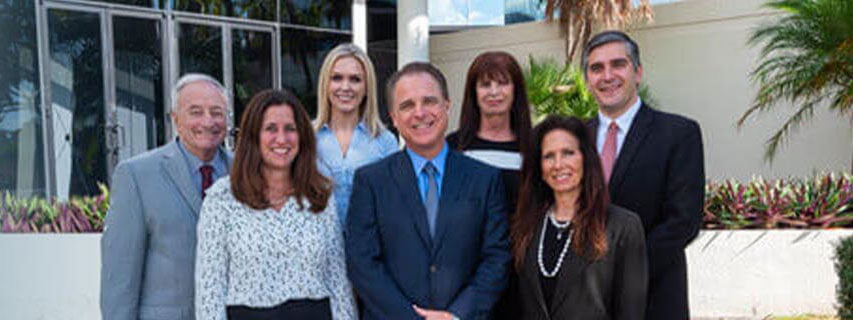
At Klein Law Group, we help Floridians find their freedom to start fresh. Whether you’re facing foreclosure, drowning in credit card debt, or simply unsure where to turn, our team is ready to listen and help you find the path forward.
Conclusion
Bankruptcy isn’t about failure—it’s about opportunity. For many people in Florida, it’s the first real step toward financial stability. Whether Chapter 7 or Chapter 13 is right for you depends on your income, assets, goals, and willingness to commit to a plan.
Take the time to speak with a professional and explore your options. With the right guidance, bankruptcy can be the beginning of a new chapter in your life—one defined not by what you’ve lost, but by what you’re about to regain.